Red Light Therapy for Hair Growth: FDA-Cleared and Evidence-Based
Laser caps are among the few consumer hair-loss devices with real FDA 510(k) clearance and sham-controlled trials. The mechanism, the RCT evidence, and the limits.
By LightTherapyIQ Editorial Team, Editorial
On this page
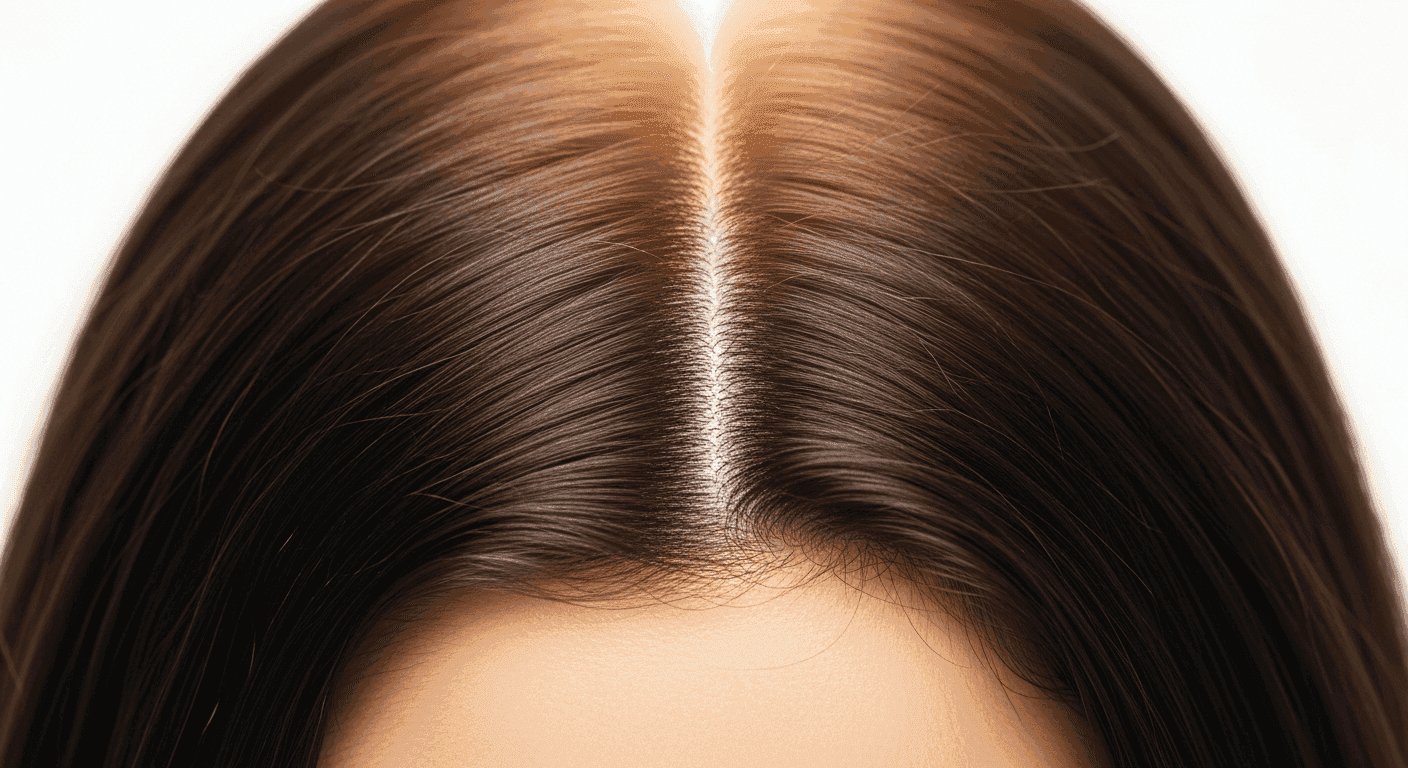
One of the Few Consumer Hair Treatments With FDA Clearance
Most hair loss products for consumers exist in a regulatory grey zone: sold as cosmetics or supplements, with no requirement to demonstrate efficacy. Low-level laser therapy (LLLT) devices for hair loss occupy different ground. Several LLLT combs, helmets, and caps have earned FDA clearance through the 510(k) pathway after submitting controlled trial evidence.
That clearance doesn't mean LLLT reverses all hair loss. It means specific devices, at specific wavelengths, demonstrated safety and substantial equivalence for androgenic alopecia (pattern hair loss) in submissions that satisfied FDA review. The distinction matters for anyone evaluating whether this is a legitimate tool or another overhyped hair supplement.
First, the mechanism and the trial evidence that give the category its credibility; then the three cleared caps we track, their verified K-numbers, and what that clearance does and does not prove.
The Mechanism: What Light Does to Hair Follicles
Androgenic alopecia involves follicle miniaturization. Dihydrotestosterone (DHT), converted from testosterone by the enzyme 5-alpha reductase, binds to follicle receptors and progressively shrinks follicle size over successive growth cycles. Miniaturized follicles produce thinner, shorter hairs until the follicle eventually becomes dormant.
LLLT at 630–670nm works through two established mechanisms.
Direct mitochondrial stimulation. Follicle cells in the anagen (active growth) phase have high metabolic activity. Light at 630–670nm activates cytochrome c oxidase, increasing ATP production in follicle cells. Higher energy availability extends the anagen phase and supports more robust hair shaft production.
Local blood flow increase. Nitric oxide release triggered by photobiomodulation dilates capillaries supplying the follicle. Improved circulation delivers more nutrients and removes metabolic waste. Follicle cells under DHT-induced stress are partially responsive to this circulatory support.
LLLT doesn't block DHT, which is finasteride's mechanism. It doesn't stimulate entirely dormant follicles with no remaining cellular activity. What it does is support follicles that retain biological function but are underperforming due to miniaturization and reduced metabolic support.
The Trial Evidence
The hair-loss literature is stronger than most consumer light-therapy applications because several trials were randomized, sham-controlled, and double-blind. Here are the ones with verified PMIDs.
| Study | N | Protocol | Finding |
|---|---|---|---|
| Lanzafame et al., 2013 (Lasers Surg Med) — males | 44 | 655nm laser+LED helmet, every other day x 16 weeks, sham-controlled double-blind | 35% increase in terminal hair count vs. sham in men with androgenetic alopecia (P=0.003) |
| Lanzafame et al., 2014 (Lasers Surg Med) — females | 47 | 655nm laser+LED helmet, home use, 16 weeks, sham-controlled double-blind | Significant increase in terminal hair count vs. sham in women, comparable to the male result |
| Jimenez et al., 2014 (Am J Clin Dermatol) — HairMax LaserComb | 269 | FDA-cleared 7/9/12-beam lasercomb, 3x weekly x 26 weeks, multicenter sham-controlled double-blind | Significant increase in terminal hair density vs. sham in both men and women across all device models |
| Avci et al., 2014 (Lasers Surg Med) — review | review | Narrative review of mechanism and clinical evidence for LLLT in hair loss | Anagen-phase stimulation hypothesis supported by animal models, cell culture, and human trials |
The Lanzafame 2013 trial is the most cited. Men with androgenic alopecia were randomized to an LLLT helmet (655nm) or a sham device and treated every other day for 16 weeks. Terminal hair count at the treated vertex increased 35% in the LLLT group versus roughly 4% in the sham group, a statistically significant difference that's also clinically visible. The parallel female trial using the same protocol showed comparable results.
The Jimenez 2014 multicenter trial tested the FDA-cleared HairMax LaserComb across 269 randomized subjects, men and women, treated three times a week for 26 weeks. Terminal hair density increased significantly versus sham across all three comb models. It is the largest sham-controlled dataset in the category and the reason FDA clearance for laser hair devices rests on more than a single study.
Avci et al. (2014) reviewed the LLLT and hair-growth literature, confirming that the anagen-phase stimulation hypothesis was supported by multiple lines of evidence, including animal models, cell culture, and human trials.
Meta-analyses of randomized trials have found LLLT significantly increased hair count and density compared to sham in patients with androgenetic alopecia. Some analyses suggest laser devices produce a larger effect than LED-only devices, though head-to-head evidence is limited and both show benefit.
Androgenetic alopecia (RCT-supported) is the one hair application with double-blind, sham-controlled trials and measurable effect sizes. Everything below that grade is weaker: Post-transplant graft support (small studies) rests on a handful of small studies, and Scarring alopecia / dormant follicles has no supporting evidence because the biological target is gone.
FDA-Cleared Laser Caps for Hair Growth
The three laser caps below hold verified FDA 510(k) clearances under product code OAP (the classification for laser combs and caps indicated for hair growth). Every K-number links to its record in the FDA premarket-notification database so you can check it yourself.
| Device | 510(k) | Diodes | Type | Price band |
|---|---|---|---|---|
| iRestore Essential (ID-500) | K213094 | 120 (51 lasers + 69 LEDs) | Laser + LED hybrid | $450–500 |
| iRestore Professional 282 | K183417 | 282 (78 lasers + 204 LEDs) | Laser + LED hybrid | $850–900 |
| Kiierr 272 Premier | K181878 | 272 (lasers only) | Laser only | $1,150–1,200 |
All three operate around 650nm, in the red band the trials used. The practical differences are diode count and diode type: iRestore pairs lasers with LEDs, while the Kiierr is laser-only and markets that as its differentiator. Both approaches have trial support for their category.
iRestore Essential (ID-500)
iRestore (Freedom Laser Therapy, Inc.) / hair cap
$450-500
- Wavelengths
- 650nm
- Measured
- -
- Value
- Coverage not comparable
The iRestore Essential is the sensible entry point. iRestore cites a double-blind study reporting a 43.2% terminal hair-count increase versus 5.7% for placebo over four months, though the same figure is reused across the product line, so read it as one underlying study rather than per-SKU data. It carries a 2-year warranty and a 12-month money-back guarantee.
Here is the full comparison across the three cleared caps.
| Feature | iRestore Essential (ID-500) | iRestore Professional 282 | Kiierr 272 Premier Laser Cap |
|---|---|---|---|
| Wavelengths | 650nm | 650nm | 650nm |
| Claimed irradiance | 600 mW total power output (640-665nm range, Class 3R laser, <5mW per laser per user manual) | 1,410 mW total power output (640-665nm range, Class 3R laser, <5mW per laser) | 1,360 mW total power output (272 diodes x 5mW each, 'PureLaser') |
| Measured irradiance | - | - | - |
| Coverage | scalp | scalp | scalp |
| Price band | $450-500 | $850-900 | $1,150-1,200 |
| FDA status | FDA-cleared (K213094) | FDA-cleared (K183417) | FDA-cleared (K181878) |
| Price/cm2 | - | - | - |
| Check Price | Check Price | Check Price |
The Kiierr 272 lists higher partly because of its laser-only design and its structured 210-day money-back guarantee, which requires consistent use plus before-and-after photo registration. That structure exists because results require months of consistent use and follicles that still have activity to stimulate.
What a 510(k) Clearance Actually Means
The 510(k) pathway requires demonstrating that a new device is substantially equivalent to a predicate device already legally marketed. For laser hair caps under product code OAP, the applicant submits data showing the device is as safe and effective as an existing cleared cap for androgenic alopecia.
Read that carefully, because the marketing leans on it. A 510(k) clearance is a safety-and-similarity bar, not proof of regrowth. It certifies that the FDA agreed the device is comparable to one already on the market. It does not certify that this specific cap will regrow your hair, nor that it matches the effect size seen in the published trials. A cleared cap and an uncleared cap can deliver similar photons; the clearance tells you a manufacturer cleared a regulatory hurdle, which is a higher bar than a supplement company publishing a testimonial, but a lower bar than "clinically proven to work for you."
The distinction between cleared and approved matters here and gets abused constantly. FDA approved applies to a stricter pathway used for higher-risk products such as prescription drugs; finasteride is approved. Laser caps are cleared. General red-light body panels are neither: they hold at most a facility or general-wellness registration and should never be described as "FDA cleared for hair," a line some panel brands blur. Any hair device advertising itself as "FDA approved" is overstating its status.
LLLT vs. Other Hair Loss Treatments
| Treatment | Evidence Level | FDA Status | Mechanism |
|---|---|---|---|
| Finasteride | Strong RCT data | Approved (Rx) | Blocks DHT via 5-alpha reductase inhibition |
| Minoxidil | Strong RCT data | OTC approved | Vasodilator, extends anagen phase |
| LLLT (laser caps) | Multiple sham-controlled RCTs | 510(k) cleared (select devices) | Mitochondrial + vascular support |
| PRP | Moderate, smaller trials | Not cleared for hair | Growth factor delivery |
| Supplements (biotin, etc.) | Weak, generally no RCTs | Not cleared | Variable, typically unproven |
LLLT sits in the middle of this hierarchy. It has better evidence than most supplements and some procedural treatments. It doesn't match finasteride's efficacy in trials, and no head-to-head study shows LLLT superiority. Many dermatologists recommend it as a combination therapy alongside finasteride or minoxidil, where the mechanisms are complementary rather than competing.
The combination logic is worth spelling out, because it changes how you should value a cap. Finasteride reduces DHT and slows the miniaturization that drives pattern loss; minoxidil extends the growth phase and improves follicular blood supply; LLLT adds mitochondrial and vascular support at the follicle. Because those three act on different points in the same process, stacking them is additive rather than redundant, and small controlled studies of combined regimens report better outcomes than single agents. If you are already on finasteride or minoxidil, a laser cap is an add-on that may improve your result, not a replacement for a drug that has stronger trial data. If you are unwilling or unable to take those drugs, a cleared cap is a legitimate monotherapy with real, if modest, sham-controlled support, which is more than can be said for the supplement aisle.
One cost note that follows from the evidence. Because the trials cluster the effective wavelength around 650nm and show benefit from both laser and laser-plus-LED devices, paying two to three times more for a higher diode count buys more scalp coverage per session, not a categorically different biological effect. Spend up if fuller coverage helps you stay consistent; do not spend up expecting the price to correlate with regrowth.
Who It Won't Help, and Realistic Expectations
This is where honest framing separates a useful tool from wasted money. Laser therapy works on miniaturized follicles that retain biological activity. It cannot:
- Restore hair from completely dormant follicles that have no living cells to stimulate
- Reverse advanced hair loss where the follicle has been inactive for more than a few years
- Regrow hair in scarring (cicatricial) alopecia, where the follicle has been destroyed and replaced by fibrous tissue
- Match the regrowth efficacy of finasteride or minoxidil in trials
- Sustain any benefit after you stop; discontinuing treatment lets the follicles drift back toward baseline over the following months as mitochondrial and circulatory support withdraws
Androgenetic alopecia is the responder. If your loss is diffuse thinning across the crown and hairline with follicles still producing fine hairs, you are in the population the trials studied. If you have long-standing bald scalp, patchy loss, sudden shedding, or scalp inflammation, laser therapy is the wrong tool, and those patterns warrant a dermatologist because they point to causes it will not address.
Expectations should track the protocols: 16 to 26 weeks of consistent use before judging results, matching the Lanzafame (16-week) and Jimenez (26-week) trials. Effect sizes are meaningful but modest, a percentage-point increase in hair count, not a full head of restored hair. Consistency does more than device choice; a cheaper cleared cap used three times a week for six months beats a premium cap used sporadically. If you want the mechanics of frequency, our guide on how often to use red light therapy covers the reasoning.
Hair transplant surgeons sometimes recommend LLLT after a procedure to support graft recovery. In that context it's used to help follicle survival in transplanted grafts, not to regrow hair where none exists.
Treatment Protocol
Cleared devices specify their protocols in the instructions for use. General parameters from the clinical literature:
- Wavelength: 630–670nm (the cleared caps cluster around 650nm)
- Frequency: every other day or 3 sessions per week; some research suggests alternate-day treatment lets follicles recover between sessions
- Duration: 20–30 minutes per session
- Treatment course: 16–26 weeks minimum before assessing results
- Maintenance: continued use required to sustain benefit
General red-light panels not cleared for hair can be used off-label for the scalp, since the wavelength overlaps, but the irradiance, treatment geometry, and dose aren't optimized the way a cap's are. A cap maintains close, consistent scalp coverage across a curved surface; a flat panel requires careful positioning (roughly 6 inches above the scalp, alternating positions to cover the area) and still doesn't match the geometry. If you go the panel route, third-party irradiance data matters even more, and our device database tracks measured output where it exists. For the safety profile of light therapy generally, see red light therapy side effects.
Hair-count change is a slow biological process; devices sold with promises of results in weeks contradict the clinical data.
Choosing a Device
For scalp-specific hair loss, purpose-built caps and helmets provide more consistent coverage than flat panels and are the format the trials used. The tradeoff is cost and single-use: they treat only the scalp, with no dual use for skin, pain, or recovery.
If you already own a general red-light panel and want to try it on your scalp before buying a cap, that's reasonable as an experiment, but treat a cleared cap as the evidence-backed choice for the job. Either way the biology is driven by wavelength and dose, not the brand on the box. Our full methodology for how we verify clearances and read the trials is in our methodology, and our best red light therapy devices guide covers the hair pick alongside panels and masks.
The short version: buy on the K-number and the evidence, pick the cap you'll use consistently, and give it six months before you decide.
LightTherapyIQ covers the clinical evidence on light therapy devices. No manufacturer pays for editorial coverage.
Frequently Asked Questions
What is the best FDA-cleared laser cap for hair growth?
The three caps we track all hold verified FDA 510(k) clearances under product code OAP: the iRestore Essential (K213094), the iRestore Professional 282 (K183417), and the Kiierr 272 Premier (K181878). For most people the iRestore Essential in the $450-500 range is the sensible entry point at 120 diodes (51 lasers plus 69 LEDs). Step up to the Professional 282 ($850-900, 282 diodes) or the laser-only Kiierr 272 ($1,150-1,200) if you want more diode coverage. All three are genuinely cleared; the clearance is a safety-and-similarity bar, not a guarantee this specific cap will regrow your hair. Consistency over months matters more than which cleared cap you pick.
Do laser caps really work for hair loss?
For androgenetic alopecia (pattern hair loss), yes, with real limits. Sham-controlled double-blind trials found statistically significant terminal hair-count increases: Lanzafame 2013 measured a 35% increase versus sham in men (n=44), and Jimenez 2014 confirmed significant density gains in a multicenter trial of 269 randomized men and women using the FDA-cleared HairMax device. The effect is modest and slower than finasteride or minoxidil, and no trial shows laser therapy beats those drugs head-to-head. Laser caps work best on miniaturized follicles that still have biological activity, not on scalp that has been bald for years.
Laser vs LED for hair growth, which is better?
Meta-analyses of randomized trials have found both laser and LED significantly increased hair count versus sham, with some analyses suggesting a larger effect from laser diodes. That is why several caps use lasers (the Kiierr 272 is laser-only) or a laser-plus-LED hybrid (iRestore combines both). The practical difference at consumer doses is smaller than marketing suggests, and wavelength (around 650nm) and consistent use drive results more than the diode type. Do not overpay for 'laser-only' language alone.
How long until laser caps show results?
Plan on 16 to 26 weeks of consistent use before judging results, matching the trial protocols. The Lanzafame trials ran 16 weeks; the Jimenez HairMax trials ran 26 weeks. Hair-count change is a slow biological process tied to the follicle growth cycle, so any device promising visible regrowth in weeks is inconsistent with the clinical data. Benefit also requires continued use; stopping treatment lets follicles drift back toward baseline over the following months.
Are laser caps safe?
Laser caps are low-risk. They earned FDA 510(k) clearance largely by demonstrating safety and substantial equivalence to already-cleared devices, and trials reported no serious adverse events. The lasers are low-level Class 3R (under 5mW each) and do not heat or burn the scalp. The main cautions are the same as for any light therapy: avoid if you are photosensitive or on photosensitizing medication, and see a doctor first if your hair loss is sudden, patchy, or accompanied by scalp inflammation, which points to a cause laser therapy will not address.
What is the difference between FDA cleared and FDA approved for hair devices?
They are not the same. Laser caps are FDA cleared through the 510(k) pathway, which means the maker showed the device is substantially equivalent to a legally marketed predicate, a safety-and-similarity bar. FDA approved is a stricter standard used for higher-risk products such as prescription drugs. Finasteride is FDA approved; laser caps are FDA cleared. General red-light body panels are neither cleared nor approved for hair; they hold at most a facility or general-wellness registration. If a hair device claims to be 'FDA approved,' that is a terminology overclaim you should discount.